Narrow street challenges for Hounslow movers and solutions
Posted on 29/06/2026
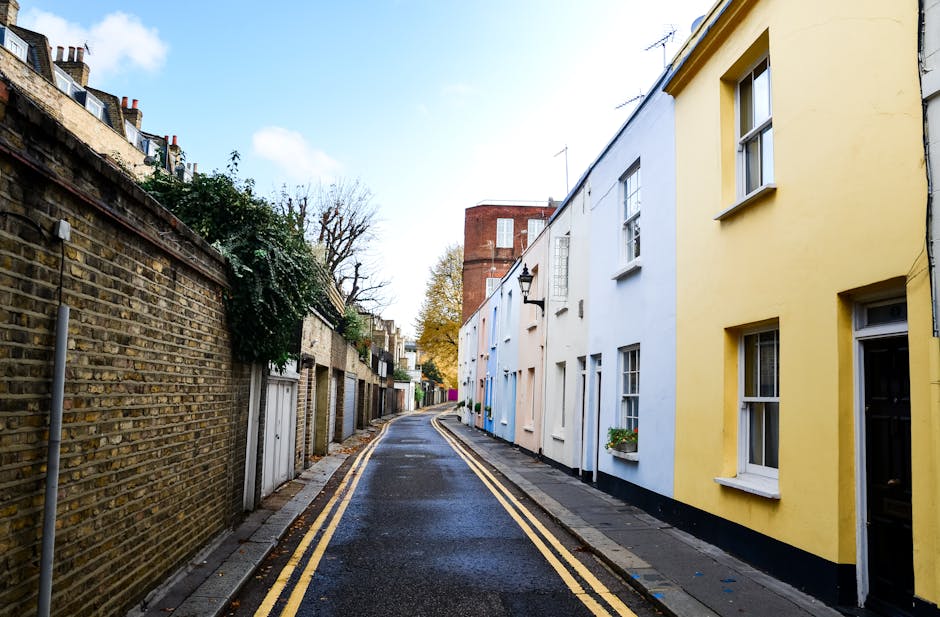
If you are moving in Hounslow and your road barely leaves room for two cars to pass, you already know the problem: the van arrives, the neighbour's car is parked awkwardly, the stairwell is tight, and suddenly a "simple move" feels like a logistical puzzle. Narrow street challenges for Hounslow movers and solutions matter because the street itself can shape everything - timing, parking, vehicle choice, loading speed, and even how calm the day feels. The good news? With the right planning, a tight access move can still go smoothly. Not perfectly, maybe. But smoothly enough that you can breathe.
This guide explains what makes narrow-access moves tricky, how professional movers approach them, and which practical steps reduce stress, delays, and avoidable costs. You will also find a clear checklist, a comparison table, and a realistic example from a local move that went right after a slightly chaotic start. Let's get into it.
Why narrow street moving challenges in Hounslow matter
Narrow streets are not just an inconvenience. They change the whole shape of a removal day. In Hounslow, that often means residential roads with tight bends, parked cars on both sides, limited turning space, and a constant need to think two steps ahead. If a van cannot stop near the front door, every box has to travel farther. If a larger vehicle cannot safely turn, you may need a different setup altogether. And if the route is busy early in the morning or around school pickup time, the pressure builds quickly.
For movers, this matters because a small access issue can become a chain reaction. A delayed arrival can affect parking. Parking can affect loading. Loading affects labour time. It is all connected. That is why narrow street planning is not a side note; it is part of the job.
There is also a simple human side to it. On a narrow street, everybody notices everything. Neighbours notice the van. Drivers notice obstruction. You notice how much faster the morning ticks away while you are still carrying a kettle and a lamp. A move that works well in a wide suburban drive can feel very different on a street with barely enough room for the van door to open properly.
To understand the local context better, it can help to read more about the borough itself through life in Hounslow and what to expect and the character of Hounslow as a London borough. The area is varied, and access issues are not the same in every part of it.
How narrow street moves are managed
Managing a narrow street move usually starts before the van is even booked. The key question is not simply, "How much stuff is there?" It is, "How close can a vehicle get to the property, and what kind of vehicle makes sense for that access?"
Professionals typically work through three layers of planning:
- Access assessment - checking street width, corners, parked cars, one-way systems, and whether the property sits on a slope or has awkward kerb access.
- Vehicle selection - choosing a van size that can actually use the road without causing problems or needing repeated shuttles.
- Loading method - deciding whether items should be carried directly from the property to the van, or moved in stages using smaller trolleys, extra hands, or a staged loading point.
For some moves, the answer is a straightforward removal van. For others, a smaller vehicle or man and van support in Hounslow is the smarter option because it is easier to position, easier to reverse, and less likely to block the street. Sometimes that is the difference between a calm move and a noisy one where everyone is trying to reverse an oversized vehicle into a gap that really is not there.
On especially restricted roads, a team may use a "shuttle" approach: items move from the home to a safer loading point, then into the van. That sounds a bit technical, but in practice it just means fewer delays and less risk of damage from repeated awkward lifting. It is not glamorous. It is effective.
When access is exceptionally tight, movers also think about the type of property. Flats, converted houses, and upper-floor homes can add stair restrictions on top of the road access issue. If that sounds familiar, it is worth exploring flat removals in Hounslow because tight internal access and narrow street access often go hand in hand.
Key benefits and practical advantages
Good narrow-street planning does more than protect the van. It makes the whole move more manageable. You get fewer surprises, better time estimates, and less back-and-forth on the day itself. That may sound obvious, but on moving day the obvious stuff is often the stuff people miss.
- Less time wasted - a well-planned route and loading method reduce idling, circling, and repeated repositioning.
- Lower damage risk - fewer awkward manoeuvres means fewer scraped door frames, bumped furniture corners, and strained backs.
- Better neighbour relations - a tidy, quick, and polite operation is always easier on everyone nearby.
- More accurate pricing - when access is discussed properly, the quote is usually more realistic, which helps avoid awkward conversations later.
- Improved safety - clear plans reduce the temptation to carry heavy items through unsafe routes or rush around parked vehicles.
There is also a psychological benefit. Once the access plan is sorted, the rest of the day feels more under control. You can focus on labels, keys, pets, and tea-making rather than wondering whether a van can get down the road at all.
If you are comparing removal options, take a look at the services overview and house removals in Hounslow to see how different service types support different kinds of access challenges. It is not just about lifting boxes. It is about making the whole chain fit.
Who needs this approach and when it makes sense
Narrow street planning is useful for far more people than you might think. It is not only for Victorian terraces or central roads with parked cars. In practice, it helps:
- people moving from terraced houses on small residential streets
- flat dwellers with limited on-street stopping space
- families shifting bulky furniture through tight access points
- students moving from shared accommodation with awkward parking
- office teams relocating from compact commercial streets
- last-minute movers who need a smaller, faster setup
It also makes sense if your move includes awkward items such as wardrobes, pianos, sofa beds, or large desks. Those pieces do not magically become smaller because the road is tight. Unfortunately.
For students or smaller household moves, a lighter-touch solution may be enough. For heavier loads, you may need a more structured plan, especially if the road is too narrow for large vans to wait safely. If your situation feels like it needs a more adaptable approach, student removals in Hounslow and furniture removals support can be useful reference points for matching service style to access conditions.
Office relocations also face the same issue, sometimes more sharply. Narrow roads around work premises can affect loading windows, parking permissions, and timing around deliveries. If that sounds familiar, it is worth reviewing office removals in Hounslow and planning around the street rather than pretending it does not matter.
Step-by-step guidance
Here is the cleanest way to approach a tight-access move in Hounslow.
- Walk the route from the property to the road. Check the front path, gate width, stairs, and any awkward corners inside the building.
- Measure the practical bottlenecks. You do not need engineering-grade precision. Just know whether a wardrobe will fit through a hallway, whether the van can stop close enough, and whether turning room exists.
- Look at the road at the time you plan to move. Morning congestion can be very different from mid-afternoon. A street that seems fine at 11 a.m. may be a nightmare at 8 a.m.
- Identify parking options early. Even where official permissions are not the main issue, knowing where the van can stop matters.
- Tell the removal team everything that could matter. Tight gate? Shared drive? Low hanging tree? Steep kerb? Say it. All of it.
- Choose the right vehicle strategy. Sometimes one larger van is fine. Sometimes a smaller vehicle with more flexible positioning is better.
- Pack for speed and clarity. Use labelled boxes, keep the essentials separate, and group awkward items together.
- On the day, keep the loading zone clear. If you can, move personal cars, bins, and anything else that eats space.
- Have a backup plan. Storage, a second trip, or an adjusted loading point can save the day if the street becomes blocked.
That last point matters more than people expect. A move with a Plan B is usually a calmer move. Truth be told, plenty of smooth removals are only smooth because someone quietly prepared for the awkward bit in advance.
Expert tips for better results
After enough local moves, a few patterns become obvious. The best outcomes usually come from small decisions made early.
- Book a realistic arrival window. If a street is tight, rushing is your enemy. Leave room for the van to position safely.
- Keep the first-load items near the door. Essentials, fragile boxes, and bulky items should not be buried behind five rows of bagged clothes.
- Use smaller boxes for heavier contents. On a narrow street, heavy boxes slow everything down because every extra step feels longer.
- Protect corners and edges. Hallways and stairwells in older Hounslow properties can be unforgiving. A blanket or corner protector is a cheap bit of peace of mind.
- Think about the neighbours. A quick heads-up can prevent complaints and make it easier if a van needs to pause briefly outside.
- Do not overfill the van. Tetris is fun on a screen, less fun with your dining table.
A small but useful tactic is to prepare a "clear path" from the property door to the van load point. No shoes in the way, no loose bags, no spare boxes wobbling in a hallway. Sounds simple. It really is. And it saves so much time.
If you are worried about value and timing, comparing service levels can help. Man with a van in Hounslow can suit lighter, tighter moves, while a fuller removal service may be better for bigger households or more complicated access. For a deeper pricing context, our prices gives a useful starting point.
Common mistakes to avoid
Most problems on narrow streets are not random. They are usually the result of one of a handful of avoidable mistakes.
- Assuming the van will "just fit". This is the biggest one. Streets often look wider from a walking pace than they are from behind a wheel.
- Not mentioning parked-car pressure. If the road is usually packed, say so. It changes the entire plan.
- Leaving it until moving day to assess access. By then, it is too late to change the vehicle or loading method without stress.
- Using oversized boxes for heavy items. They are harder to carry, harder to stack, and harder to move through tight spaces.
- Ignoring storage as a fallback. If access is awkward and timing is tight, temporary storage can reduce pressure.
- Forgetting specialist items. Pianos, large furniture, and fragile pieces need their own plan.
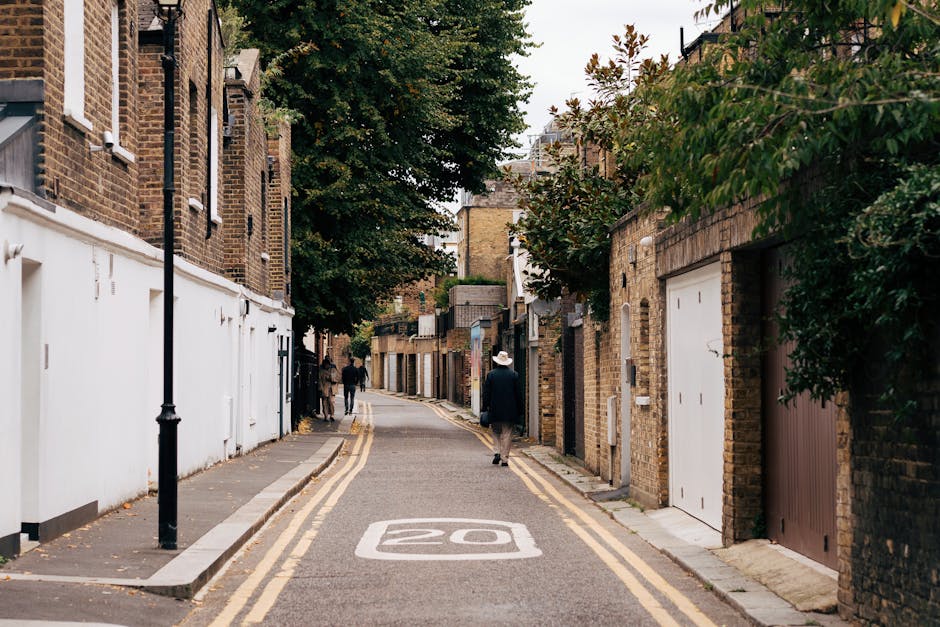
One small but real-world mistake is underestimating how quickly a narrow street can become blocked. A delivery driver, a neighbour's car, or a bin lorry can change the whole scene in five minutes. That is why flexibility matters.
For specialised loads, the right page can save time later: piano removals for delicate heavy items, and removal van options if vehicle size is part of the challenge.
Tools, resources and recommendations
You do not need a suitcase full of gadgets to deal with a narrow street move. Still, a few practical tools help a lot.
- Measuring tape - for checking furniture width, doorway clearance, and stair corners.
- Strong labels and markers - because the fastest move is the one where boxes go to the right room first time.
- Furniture blankets and straps - especially useful when turning corners or carrying items over short distances.
- Sturdy hand truck or sack truck - ideal for flatter routes and short shuttles where repeated lifting would be a bad idea.
- Storage plan - useful when access, timing, or property handover does not line up neatly.
For booking decisions, check whether the move needs a simple van run or a more complete package. The pages on removals in Hounslow, house removals, and storage in Hounslow can help you think through the shape of the move before you commit.
Sometimes the smartest recommendation is not "hire a bigger van". It is "make the access simpler". That could mean moving the bulkier items first, keeping the van smaller, or using a loading pause plan. A bit boring, maybe. But boring can be beautiful on moving day.
Law, compliance, standards and best practice
For narrow street moves, the main compliance concerns are usually practical rather than dramatic. You want to avoid unsafe obstruction, poor lifting practice, and damage caused by rushing. In the UK, professional removal work should follow sensible health and safety expectations, and that means careful lifting, safe vehicle positioning, and respect for local access conditions.
There is also the wider duty to protect property, staff, and the public. In plain English: do not block the street in a way that creates unnecessary risk, and do not force a manoeuvre if it is clearly unsafe. That is not just common sense. It is the standard that good movers work to.
It is worth checking a company's approach to safety and accountability before booking. Pages such as health and safety policy, insurance and safety, and terms and conditions are useful because they show how a provider thinks about risk, responsibility, and customer clarity.
If you care about how a company operates more broadly, you may also want to review about us, recycling and sustainability, and payment and security. None of that is glamourous. All of it helps build trust.
Options, methods and comparison table
Different access problems call for different solutions. Here is a simple comparison that shows how movers often decide.
| Method | Best for | Strengths | Trade-offs |
|---|---|---|---|
| Large removal van | Wider streets and full-house moves | Efficient for bigger loads, fewer trips | Can struggle on tight roads and sharp turns |
| Smaller van | Narrow roads and awkward parking | More flexible access, easier manoeuvring | May require more careful loading planning |
| Man and van | Smaller moves or lighter access needs | Practical, adaptable, often quicker to position | May be less suitable for large households |
| Storage-first approach | Staging, delayed handovers, or access uncertainty | Reduces pressure when timing is messy | Needs extra coordination |
| Full removal service | Complex moves with furniture, stairs, or narrow access | More support, better for complicated logistics | Usually more planning involved |
There is no single winner here. The right method depends on your property, your furniture, and the street itself. A good mover will not simply push the same plan for everyone. That would be lazy, and a bit reckless too.
Case study or real-world example
A recent style of move we often see in Hounslow goes something like this: a family in a terraced home on a narrow road had booked a larger van because they assumed it would be more efficient. On paper, that sounded sensible. On the street, it was not. Cars were parked tightly on both sides, the turning point was awkward, and there was no comfortable place to wait without blocking the road.
The fix was simple once the problem was clear. The movers switched to a smaller vehicle, split the load into two stages, and moved the largest furniture first while the street was quieter. The family had already boxed the kitchen and labelled the essentials, so the team could work without pause. It still took focus, and nobody pretended it was effortless, but the day stayed under control. No panicked phone calls. No scraped walls. Just a steady, workable pace.
That example matters because it shows something people often forget: the best solution is not always the biggest one. Sometimes it is the one that actually fits the street.
For local context and timing, articles such as Hounslow High Street moving tips, what to expect near Hounslow West Station, and TW3 removals guidance can be helpful when your move sits in a busier local zone.
Practical checklist
Use this before the moving day gets close.
- Measure the route from front door to street.
- Check for parked cars, low branches, or tight bends.
- Confirm whether a smaller van would make access easier.
- Separate fragile items from bulky furniture.
- Label rooms clearly on every box.
- Keep the essentials bag easy to reach.
- Clear hallways, steps, and entrance paths.
- Warn neighbours if access may briefly affect parking.
- Prepare a fallback plan in case the street is blocked.
- Ask about pricing if access looks complicated so there are no nasty surprises later.
If you need more help preparing the actual boxes, the page on packing and boxes in Hounslow is worth a look. Good packing really does make tight access easier.
Conclusion
Narrow streets do not have to ruin a move. They simply demand better planning, the right vehicle choice, and a bit more realism about how the day will unfold. Once you understand the access problem, it becomes much easier to solve. That is the whole trick, really. Not fancy. Just careful.
For Hounslow movers, the best results usually come from honest access checks, sensible packing, and a removal plan that fits the road rather than fighting it. If you are moving from a tight street, do yourself a favour and treat access as a core part of the booking, not an afterthought. It saves stress, time, and unnecessary lifting. And on moving day, those three things are gold.
Get a free quote today and see how much you can save.
One last thought: a move can feel chaotic in the moment, but with the right setup, it settles into something surprisingly manageable. You get there. Usually with one slightly dramatic moment, sure, but you get there.


With an extensive history in the removals business, Bryan is a skilled author adept at delivering a plethora of articles across a wide spectrum of removals topics. His adeptness has been instrumental in aiding thousands of individuals in navigating their moves.


