Hounslow council parking permits for large removals
Posted on 31/07/2026
Hounslow Council Parking Permits for Large Removals: A Practical Guide for a Smoother Moving Day
If you are planning a big move in Hounslow, the parking plan can matter just as much as the packing plan. Hounslow council parking permits for large removals are one of those details people often leave until the last minute, then suddenly the van has nowhere sensible to stop and everyone is standing around watching the clock. Not ideal. In a busy borough, with tight streets, parked cars, loading restrictions and neighbours who quite rightly want access kept clear, the right permit or parking arrangement can make the difference between a calm move and a stressful scramble.
This guide explains what these permits are, why they matter for larger removals, how the process usually works in practical terms, and what to check before moving day. You will also find a step-by-step plan, common mistakes to avoid, a comparison of parking options, and a realistic checklist you can actually use. If you are moving a house, a flat, an office, or even bulky furniture, this should help you get ahead of the usual headaches.
For readers comparing removal costs as well as access logistics, it can also help to review our pricing information and the wider service overview so the parking side and the moving side are planned together, not separately.
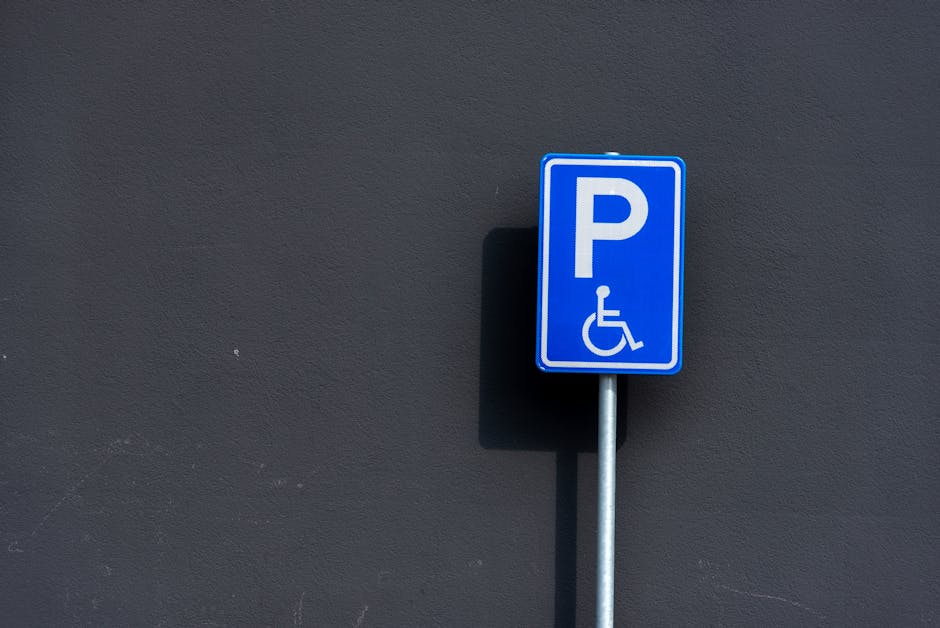
Why Hounslow council parking permits for large removals Matters
Large removals need space. That sounds obvious, but in real life the curb outside your home is often already half full before sunrise. A permit, dispensation, or other parking arrangement gives the vehicle a legitimate place to stop closer to the property, which can reduce carrying distance, shorten loading time, and lower the risk of blocked access.
That last point is more important than it sounds. If the van has to park too far away, every box, wardrobe panel, or sofa needs to be walked further. Multiply that by a full house move and you can see why timing slips. A few extra metres can feel like a mile when you are moving a heavy wardrobe in light drizzle, which, let's face it, is not an exotic London scenario.
Parking permissions also matter because removals are not the same as normal day-to-day parking. A moving van may need longer curbside access, a wider working zone, and a loading spot that avoids blocking neighbours or traffic. In some streets, especially where roads are narrow or busy, the practical challenge is less about the truck itself and more about making sure the crew can work safely and legally.
If you are moving in tighter residential streets or around busier parts of town, a little planning goes a long way. That is especially true in places with limited road width, shared bays, or heavy daytime parking. For more on that side of moving, you may also find the guide to narrow street challenges for Hounslow movers useful.
Expert takeaway: For large removals, parking is not a side issue. It is part of the move plan. If the vehicle cannot stop safely and legally near the property, everything else becomes slower, riskier, and more expensive.
How Hounslow council parking permits for large removals Works
While exact rules and application details can vary by street, road type, or local restrictions, the basic idea is straightforward: you arrange authorised parking or loading access so the removal vehicle can work near the property without causing avoidable disruption.
In practice, the process usually involves a few moving parts:
- checking whether your road has resident-only bays, loading restrictions, or time-limited parking;
- deciding whether the van needs a formal parking permit, temporary dispensation, or another parking solution;
- allowing enough lead time for approval or confirmation;
- making sure the vehicle size matches the available space;
- coordinating the parking plan with the removal crew, landlord, concierge, or building manager if needed.
Sometimes a permit is not just about the van parking. In flats or shared buildings, it can also be about access to the entrance, lift use, loading bay rules, or internal time slots. A removal in a block of flats can become awkward very quickly if the lift is booked, the bay is occupied, or the driver cannot wait in the designated area.
That is why a move should be treated like a small logistics project, not just a transport job. If you are dealing with a flat move, our flat removals Hounslow page covers some of the practical issues that often go hand in hand with permit planning. And for office or business relocations, loading time and frontage access often matter even more, so it is worth looking at office removals in Hounslow as well.
Here is the simplest way to think about it: if a normal short stop would not be enough for the size of the move, or if stopping there without permission could cause a penalty or complaint, then you need to sort the parking properly. Simple, but not always simple-simple.
Key Benefits and Practical Advantages
When people get the parking side right, the benefits tend to show up quickly on moving day. They are not glamorous, but they are real.
- Shorter carrying distances: fewer steps between the front door and the vehicle means less lifting and less fatigue.
- Faster loading and unloading: the crew can maintain a steady rhythm instead of stopping and starting.
- Less chance of disruption: neighbours, pedestrians, and other vehicles are less likely to be inconvenienced.
- Lower risk of damage: fewer awkward carrying routes means fewer scrapes on walls, bannisters, or furniture edges.
- Better time control: the removal job is more predictable, which is a relief if you have keys, cleaners, or building access booked later the same day.
There is also a confidence benefit that people overlook. Once the parking question is settled, the day feels more manageable. You are not wondering whether the driver will have to double-park around the corner or whether the sofa will need to be dragged across a wet pavement. You can just get on with it.
If budget is part of your decision, it is sensible to compare access planning with the rest of your moving costs. Our pricing and quotes page is a useful place to start if you want to balance parking arrangements with the overall move budget. For a broader comparison of moving support, removal services in Hounslow can help you see how access, packing and transport sit together as one job rather than separate tasks.
Who This Is For and When It Makes Sense
Not every move needs the same level of parking planning. A small job with a couple of boxes and a compact van may be manageable with standard street parking, if the street allows it. But once you are moving larger volumes, special items, or a property with awkward access, permit planning becomes much more important.
This is especially relevant for:
- family house moves with multiple rooms and furniture to load;
- flat moves where the van needs to stay near the entrance or loading point;
- office relocations where timing and frontage access affect staff and building operations;
- student moves where several people may be moving in the same period and streets can get busy;
- bulky item moves such as sofas, wardrobes, appliances, pianos, or large desks.
Students often underestimate the parking side because they are focused on the boxes, the keys, and the final clean. Fair enough. But one badly parked van on a busy move-out day can make things awkward fast. That is why student removals in Hounslow and access planning are a good pairing.
And if your move involves oversized or awkward items, think one step ahead. Bulky furniture can change the kind of vehicle needed and the time required on the curb. In those cases, it is worth reviewing furniture removals Hounslow and even piano removals Hounslow if the item is especially heavy or delicate.
Step-by-Step Guidance
The easiest way to avoid permit-related stress is to treat parking as a task with its own checklist. Not glamorous, but effective.
- Survey the road outside the property.
Look for resident bays, pay-and-display spaces, yellow lines, loading restrictions, and signs that indicate time limits. If you can, check at the same time of day your move will happen. A street that looks empty at 10 a.m. can be very different by 7 p.m., and vice versa. - Estimate the size of the vehicle.
A small van may fit where a larger removal lorry will not. The right vehicle depends on the volume of goods, the amount of furniture, and how much room is available to manoeuvre. - Decide what kind of access is needed.
Some moves need only short-term loading access. Others need longer curbside parking. A building with a loading bay or a managed frontage may have its own rules, so do not assume street parking is the only option. - Plan the timing early.
Peak moving days and end-of-month periods can be busy. Give yourself enough time to sort parking before the packing avalanche begins. Truth be told, people are much calmer when this step is handled early. - Coordinate with everyone involved.
Let the removal team, any building manager, and if needed your neighbours know what is happening. A simple heads-up can prevent a lot of muttering on the pavement. - Confirm the final arrangements the day before.
Check the access instructions, where the van should wait, and whether any temporary signs, cones, or notices are needed. - Keep a backup plan.
If the ideal bay is occupied, what happens next? A backup plan might be a nearby legal loading space, a revised arrival time, or a second vehicle move. Better to think it through now than improvise while carrying a mattress.
For moves where timing is tight, it can also help to understand how urgent bookings are handled. Our same-day removals Hounslow page is relevant if your parking or moving window suddenly becomes more compressed than expected.
Expert Tips for Better Results
After enough moves, a few practical patterns become obvious. Nothing magical, just the kind of detail that saves time and a sore back.
1. Measure the parking space, not just the road.
A street can be technically accessible but still too tight for safe loading if a vehicle door needs full swing space. Width matters. So does where the rear doors open.
2. Think about the lift, the stairs, and the front path.
Parking is only one piece. If the walk from van to property includes steps, tight hallways, or a narrow path, allow for extra time. In some homes, those last ten metres are the real challenge.
3. Keep the load order sensible.
When the van is close to the property, load the heavier or most awkward items first only if the route allows it. If the parking spot is temporary, the crew may need to prioritise essentials. A little structure here helps a lot.
4. Use clear instructions.
Do not assume the driver knows which entrance, bay, or gate you mean. Say it plainly. "Park by the second entrance near the corner, not the main gate" is better than "park near the front." That kind of vague direction is how people end up standing in the wrong place with a kettle.
5. Prepare for weather and street conditions.
A wet pavement, a sloping road, or a kerbside puddle can slow everything down. On a damp Tuesday morning, even a short carry can feel longer than expected. A couple of extra towels or floor protectors can be surprisingly useful.
And one more: if your move involves storage, the parking plan should account for transfers to and from the storage vehicle, not just the first loading stage. See storage in Hounslow if you are splitting your move into stages.
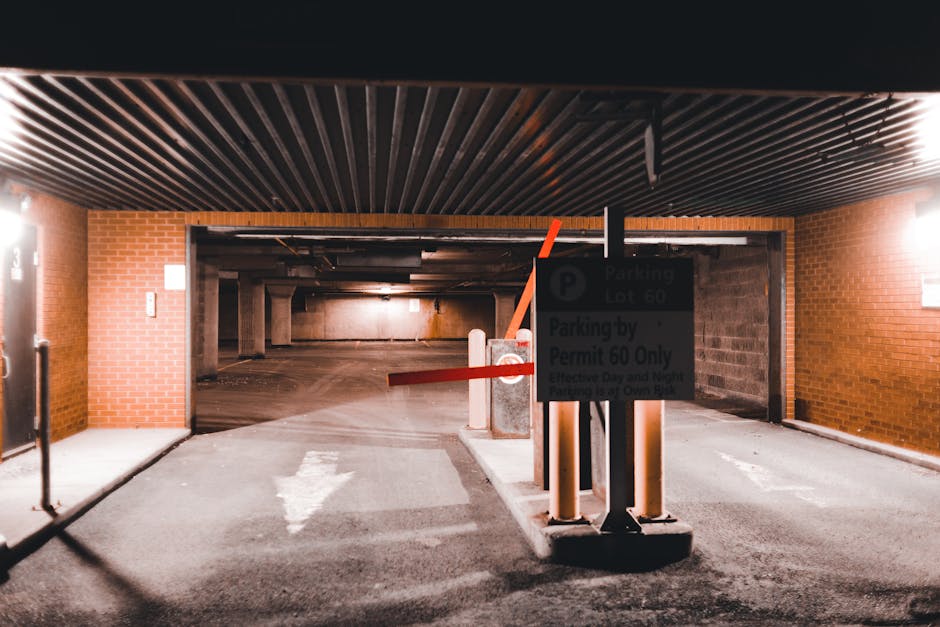
Common Mistakes to Avoid
Most parking problems on moving day are avoidable. The difficult part is that they usually feel minor during planning, then suddenly become major when the van arrives.
- Leaving permits or access checks too late. This is the classic one. By the time you notice, the available options may be limited.
- Assuming any empty space will do. Empty is not the same as legal, and legal is not the same as practical.
- Forgetting building rules. Flats, estates, and commercial buildings often have their own restrictions, even when the street looks open.
- Not matching the vehicle to the access. A larger van can be great for fewer trips, but only if it can actually park near the property.
- Ignoring loading duration. A quick drop-off is not the same as a full house move. Time limits can matter.
- Failing to tell the removal team about awkward access. If there is a steep hill, a narrow turning circle, or no lift, say so early. Really early.
A common source of extra cost is not the parking itself, but the knock-on delay. If a team is stuck finding legal access, the schedule slips. That can affect labour time and overall planning. Our guide on avoiding hidden charges with Hounslow removals is a good companion read here, because access issues and pricing are closely linked.
Tools, Resources and Recommendations
You do not need a fancy toolkit to manage parking for a move, but a few simple things make the process much easier.
- Phone camera: take photos of signs, bays, and access routes so you can double-check instructions later.
- Printed moving plan: a basic sheet with arrival time, contact names, and parking notes can save you from scrolling through messages on a hectic morning.
- Measuring tape: especially useful if you suspect the access is tight or the vehicle is large.
- Sticky notes or labels: helps the crew keep items sorted if the van needs to be loaded in a particular order.
- Protective materials: floor runners, blankets, and straps help reduce damage when the walk from property to van is a bit longer than ideal.
For a complete moving setup, it also helps to review packing support. Our packing and boxes Hounslow page can help you prepare items in a way that speeds up loading. And if you are still comparing the type of moving help you need, man and van Hounslow and man with a van Hounslow are worth comparing for smaller or less complex jobs.
If you want a broader view of how services are structured, the removals Hounslow page is useful, and for larger jobs that need a more substantial vehicle, removal van Hounslow may be the better fit.
Law, Compliance, Standards, or Best Practice
Parking for removals sits in the space between local parking controls, highway management, and practical access. The exact requirements can differ depending on the street, borough rules, and the type of restriction in place. Because of that, it is best to treat official parking details carefully and confirm them before moving day rather than relying on memory or hearsay from a neighbour who moved three years ago and "reckons it was fine."
As a rule of thumb, the safest approach is:
- do not assume loading is allowed just because traffic is light;
- do not park in a restricted bay without proper permission;
- respect local access, blue badge spaces, resident bays, and marked loading areas;
- avoid blocking footways, driveways, or emergency access;
- keep any permit or approval information available on moving day.
Best practice also means being considerate. If your move might affect neighbours, note the time window and keep the loading area tidy. A moving team that works neatly is usually faster, and that helps everyone. You want the job done without drama, not a parade of irritated looks from the pavement.
For customers who care about safe working practice as well as access, our health and safety policy and insurance and safety pages explain the kind of standards a careful move should follow. If sustainability matters to you too, recycling and sustainability is worth a look when planning what happens to packing waste and unwanted items.
Options, Methods, or Comparison Table
There is more than one way to manage parking for a large removal. The right option depends on the road layout, the vehicle size, and how long the team needs access.
| Option | Best for | Pros | Trade-offs |
|---|---|---|---|
| Formal parking permit | Longer curbside loading on restricted streets | Clear access, more certainty, easier planning | May require lead time and correct paperwork |
| Temporary loading arrangement | Short, controlled loading windows | Useful for brief stops and lighter loads | May not suit full house moves or slow loading |
| Managed building access | Flats, estates, offices, developments | Can provide closer access and less road disruption | Often needs coordination with management or concierge |
| Alternative nearby parking | Less restricted streets with walkable distance | Can be flexible if the ideal spot is unavailable | Longer carries and possible time loss |
For many larger removals, the best answer is not one option alone but a combination: a suitable vehicle, agreed access instructions, and a parking arrangement that gives the team enough room to work. If you are comparing service levels, removal companies Hounslow is a sensible read because not every provider handles access planning with the same level of care. Some will manage the details with you. Others expect you to figure it out. That difference matters more than people think.
Case Study or Real-World Example
Here is a realistic example, based on the sort of situation that comes up again and again.
A family moving from a two-bedroom flat in Hounslow had a full van, a tight stairwell, and a street where daytime parking disappeared quickly. The first instinct was to leave the van in a nearby open space and carry everything across the road. On paper, that sounded manageable. In reality, it would have meant repeated trips with furniture, a longer loading time, and added risk on a busy pavement.
Instead, the move was planned around a proper parking arrangement near the entrance, with the loading sequence agreed in advance. The crew started with the heaviest items while access was clear, then worked through the smaller boxes once the main furniture was on board. The whole job felt less frantic. The stairwell stayed usable, the neighbours were not blocked in, and the family was able to hand over the keys on time. Nothing dramatic. Just a smoother day.
That is often the real value of parking permits or controlled access. They do not make moving fun, obviously. They just remove a chunk of avoidable friction.
And yes, there was still a rogue box of kitchen utensils discovered at the last second. There usually is.
Practical Checklist
Use this checklist before moving day if you want to reduce parking stress.
- Confirm the property type: house, flat, office, or shared building.
- Check the street for parking restrictions, loading bays, and time limits.
- Match the vehicle size to the available access.
- Ask whether a permit, dispensation, or managed access arrangement is needed.
- Share access notes with the removal team early.
- Confirm lift use, entry codes, gate access, or concierge rules if relevant.
- Take photos of signs and the parking area.
- Keep contact details for the driver and any building manager to hand.
- Build in extra time for loading if the route from property to vehicle is long.
- Prepare a backup plan in case the first parking spot is occupied.
If you are still at the planning stage, you may also want to look at house removals Hounslow for larger residential jobs, or about us if you want a better feel for the team behind the service. It is always nicer to know who is helping on the day, rather than treating the crew like mysterious moving wizards.
Conclusion
For large removals, Hounslow council parking permits are not just a formality. They are part of what keeps the move safe, efficient, and manageable. The right parking arrangement reduces carrying distance, keeps neighbours happy, supports the removal crew, and lowers the chance of last-minute chaos. That is a lot of value for one planning step.
The main thing to remember is this: do not leave access planning until the van is already on the way. Check the road, understand the restrictions, match the vehicle to the space, and confirm the moving-day details before the boxes pile up around your ankles. It is one of those boring jobs that pays you back immediately.
If your move involves a tricky street, a flat, a bulky item, or a time-sensitive schedule, a little extra planning now will save a lot of friction later. And that really is the point.
Get a free quote today and see how much you can save.
When the planning is steady and the access is sorted, moving day has a much better chance of feeling like progress rather than panic. That's a good day's work.

With an extensive history in the removals business, Bryan is a skilled author adept at delivering a plethora of articles across a wide spectrum of removals topics. His adeptness has been instrumental in aiding thousands of individuals in navigating their moves.


